
General Contracting Services
Student Housing Construction in Houston and Galveston
Move-in day in August is the one date in student housing that nobody can renegotiate. Parents drive in from other cities, leases have been signed for months, and a building that is three weeks late means students in hotels at the owner's expense. Everything we do on a student housing project is aimed at that day, and most of it happens in the wet months of the year before.
We build purpose-built student apartments near campuses, university-owned residence halls, mixed-use buildings with student housing above retail and graduate and professional housing for medical and research students. They differ from conventional apartments in the details that matter: bedroom-by-bedroom leasing, furnished units, dense bathrooms, secure entry systems, study and social spaces, and finishes that can survive hard use.
Owners are either developers building for the private market, with a lender and a lease-up schedule, or institutions building on campus, with a board, a procurement process and a fixed academic calendar. We work for both, and the planning is different. The private developer wants speed and cost certainty. The institution wants durability, clear documentation and a building that fits the campus.
Working Backward From Move-In
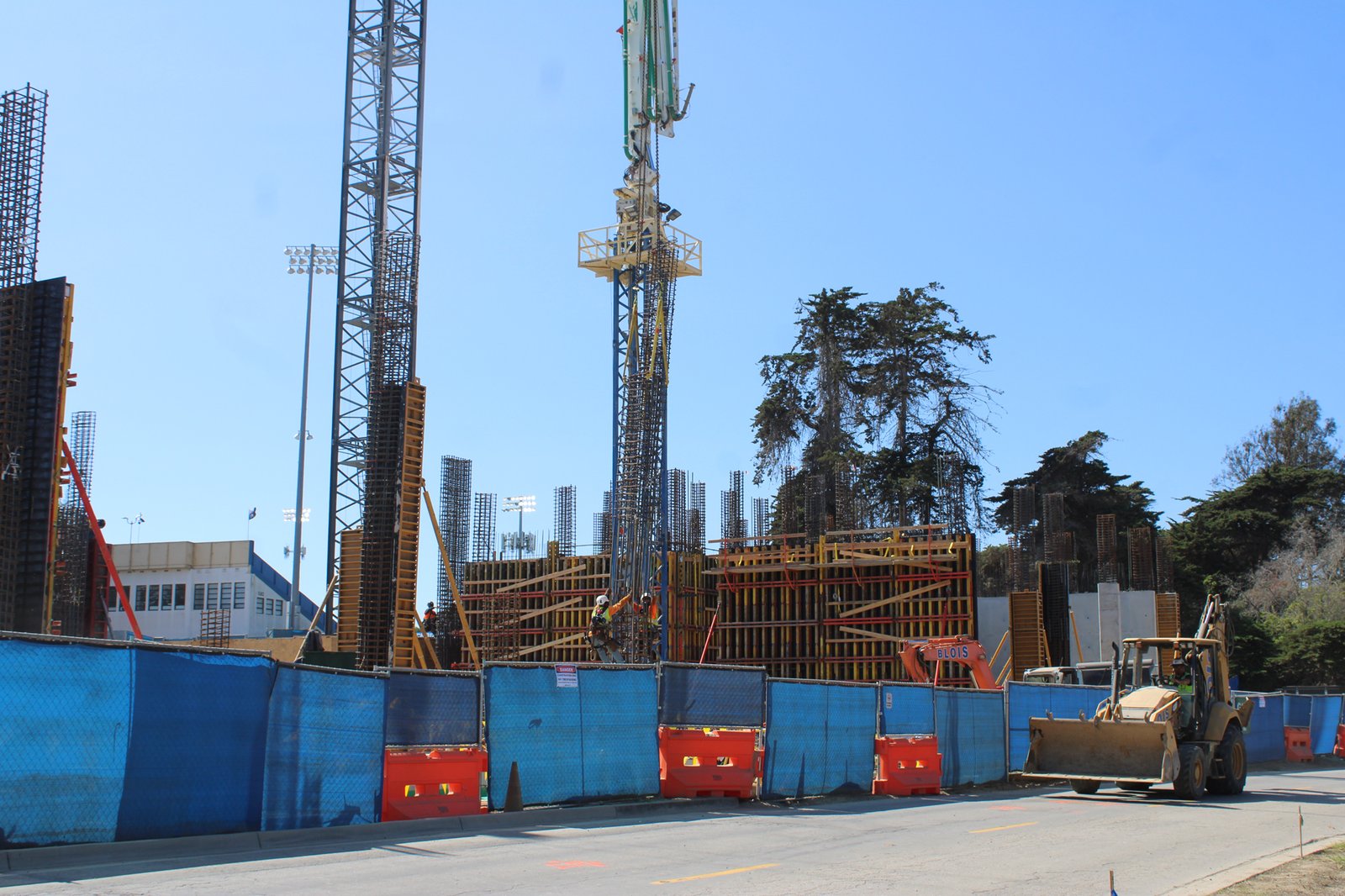
We set the schedule by starting at the first day of fall classes. Subtract certificate of occupancy, final inspections, furniture installation, cleaning and punch, and the interior finish period. The remaining time defines when the building must be dry. For a wood-frame or podium project that means finishing the framing before the heaviest part of the rainy season, or protecting it so well that rain does not matter.
Long-lead items such as windows, elevators, switchgear, mechanical units and furniture packages are ordered early. We also schedule building-by-building turnover where the site allows, so early buildings can be inspected and cleaned while later ones are still being finished. If the schedule moves, we tell the owner at once, because a developer who learns about a slip in June has choices that one who learns in August does not. Our multifamily apartment construction experience gives us the baseline cycle times for the repeat units.
Houston Campuses and Their Neighborhoods
Student housing demand in the metro clusters near the large campuses and the medical center, and the buildings sit in neighborhoods with their own constraints. Around the Texas Medical Center, a new four-story, 250,000 square foot collaborative building at Helix Park brings tenants from several university systems, which indicates the scale of academic and research activity that drives graduate and professional housing demand. Sites near campus are tight, with neighbors, transit, medical traffic and limited laydown.
On the island, the University of Texas Medical Branch is the largest employer in Galveston and in Galveston County, and a community that serves students, residents and staff has to be built for the coast: wind, flood and salt exposure, and logistics that differ from the mainland. We discuss those conditions on our pages for the Texas Medical Center and Galveston.
Durable Buildings for Hard Use
Students use buildings differently from other residents. Doors are slammed, furniture is dragged, and common rooms are open late. We specify, with the design team, finishes and hardware with a service life that matches the use: impact-resistant gypsum board in corridors, resilient flooring in units, sturdy casework, durable door hardware and plumbing fixtures that survive abuse. These items cost slightly more at bid and much less over the first five years of operation.
We also pay attention to systems that residents notice immediately: Wi-Fi coverage, hot water capacity, air conditioning response in Houston heat, laundry access and security. A building that works on day one gets better reviews and higher renewals. For students living near hospitals or research campuses, quiet is an extra consideration, and we test sound isolation between units and common spaces before drywall closes.
Bed Count, Structure and Amenity Package
Student housing is priced per bed, not per unit. The same building can have four bedrooms and four baths in a unit or one bedroom in a studio, and the unit mix changes the plumbing, the fire alarm and the finish count. Structure is the next large driver: a wood-frame building over a podium garage costs differently from a concrete frame with a surface lot, and the answer depends on site, height and the number of beds.
Amenities are the third. Pools, fitness rooms, study lounges, rooftop decks and clubhouse spaces draw tenants but add cost and operating expense. We provide a menu of options with prices so the owner can balance them against the rents. In Houston, add the cost of flood elevation, since new structures in the city sit at least two feet above the 500-year level, and the drainage and detention that come with the site. Our podium and wrap construction page covers the structural option in detail.
Developers, Universities and Institutions
Private developers build off-campus student housing under leasing and financing pressures. Universities and health science institutions build on-campus residence halls, sometimes through public-private partnerships. Both groups need a builder who can handle public-style documentation and private-style speed. We describe our approach to institutions on the page for education institutions.
For developers who want to compare student housing against other housing products, our education facility construction page describes campus buildings that surround the residence halls, and the multifamily and mixed-use building type page shows how student apartments combine with ground-floor retail.
Set the move-in date and work back with us
Send the campus, the bed count and the opening term. We will give you a schedule that shows the framing, dry-in and turnover dates needed to hit move-in.
Common Questions
How early should we order long-lead items for a fall opening?
Elevators, windows, electrical gear and mechanical equipment should be ordered as soon as the design is stable, often at the start of construction. We track delivery dates and alert the owner if any of them threatens the move-in schedule.
Can you build near a campus without disrupting students and neighbors?
Yes, with staging plans, hauling routes outside peak times, noise and dust control, and a community contact. On tight urban sites we often schedule deliveries at night or early morning.
How are student housing costs measured?
Per bed, and per unit type. We provide estimates in those terms alongside the standard cost per square foot so owners can compare designs against rents.
What happens if the building is not finished by move-in?
Owners usually carry a contingency plan: temporary housing, phased occupancy by building or floor, or a delayed lease start. We help build that plan early by identifying which wings or floors can be turned over first, and by keeping life safety testing and inspections ahead of the finish trades so partial occupancy is possible.
Does the city flood rule change the first-floor design?
It can. New structures in Houston must sit at least two feet above the 500-year elevation, which affects entrances, ramps and ground-floor units. We review the elevation with the design team at the start.