
Service Areas
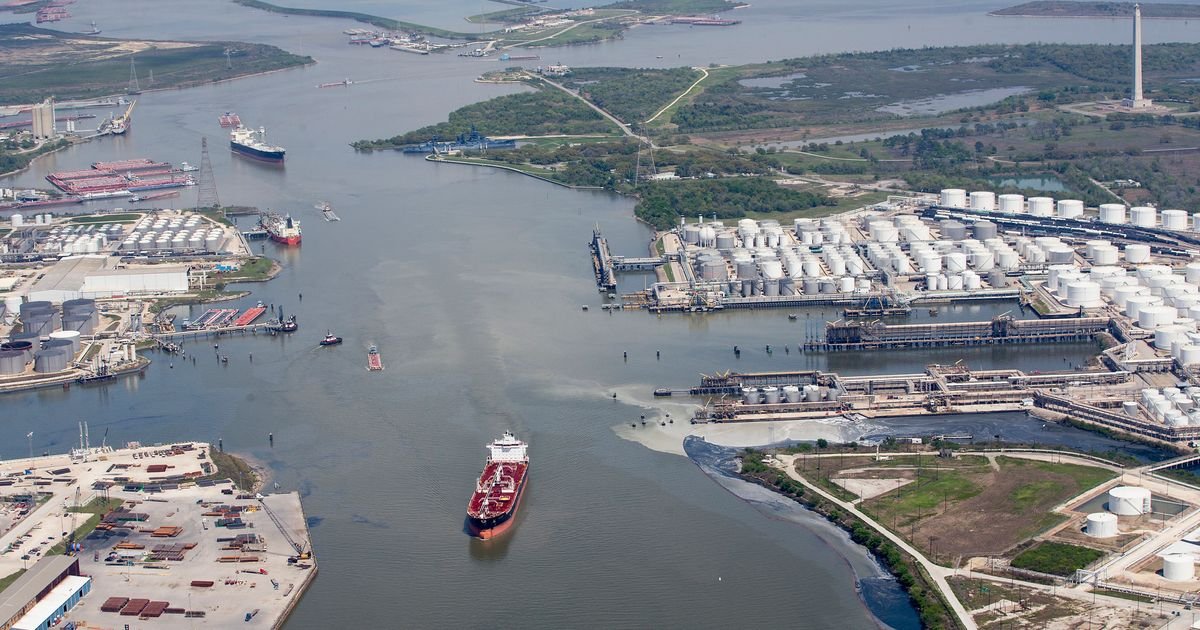
General Contractor on the Houston Ship Channel and in Pasadena
Owners beside a refinery fence or a ship channel terminal need a builder who treats access, safety orientation and shutdown windows as part of the scope, and that is how we approach Pasadena and the Ship Channel corridor. We build the support buildings, maintenance shops, warehouses, light manufacturing space and heavy foundations that surround process facilities, and we do it under site rules that control who enters, when and with what equipment.
Industrial investment in this corridor is visible in public reporting. A trade publication reported in December 2024 that a refinery in Pasadena completed a retrofit that increased processing capacity by nearly 15% to 125,000 barrels per day. A project of that size generates ripple work: control rooms, pipe racks, warehouses, contractor laydown yards and parking. Port Houston adds to the picture; its January 2026 release says it has owned and operated the eight public wharves and terminals along the Houston Ship Channel for more than 100 years and has $2.1 billion in planned landside capital investments over the next five years.
Our value to owners here is predictability. We schedule the work so that a turnaround window, a ship call or a contractor badge deadline is respected, because missing them is far more expensive than a paint delay.
Working inside and beside live plants
Plant-adjacent work demands a safety culture before it demands a schedule. We plan orientation, badging, vehicle access and hot-work permits as the first activities on the job, and we train every crew member on site rules before they enter. Hazard assessments, lockout procedures and emergency muster plans are part of the project binder, not a document that appears at the gate.
Many owners require prequalification and detailed safety data. We prepare those packages early and keep a safety lead on every jobsite. Foundations, utilities and structural steel near active process areas are planned with exclusion zones and spotter procedures, and our structural steel erection teams lift outside operating hours when the owner requires it.
Planning to the turnaround
A turnaround or shutdown is a hard date, and every upstream activity depends on it. We work backwards from the shutdown: material procurement, prefabrication, permits, crane and manpower mobilization, then the actual work. Anything that can be built off site, such as steel assemblies or equipment skids, is prefabricated to shorten the time inside the fence.
When the owner needs a building but cannot afford a design cycle, our design and build delivery combines engineering and construction under one contract. That is particularly useful for control buildings, operations offices and maintenance facilities where requirements are clear and the schedule is tight. We give the owner firm milestones for design, procurement and construction, and we track long-lead items against them.
Buildings that surround the plants
Pasadena and the Ship Channel host more than refineries. They host supply yards, repair shops, light manufacturing, equipment dealers and warehouses. One example from the area is Beltway-225 Business Park, an industrial project fronting Beltway 8 in Pasadena whose first phase delivered 85,500 square feet with two tenants, after which a second phase was developed. Small-bay industrial like this is common near the channel, and its tenants tend to want office, shop and yard together.
We build that product through our flex and light industrial construction practice, and we build larger production space through manufacturing facility construction. Both rely on durable slabs, robust canopies and yard paving that handles trucks and forklifts. We also help owners decide whether a pre-engineered metal building or tilt-up panels fit the program.
Foundations and concrete first
In an industrial corridor near the ship channel, foundations are the first line of defense against soft clays and shifting loads. We schedule and inspect excavation, forming, rebar placement and concrete work, and we coordinate with geotechnical engineers on piers, mats and slabs. Heavy equipment pads, containment areas and truck loading aprons are cast to tolerances that match the equipment manufacturer's requirements.
Because plant owners often need work done around operations, we keep crews flexible and equipment compact. Our concrete foundations team mobilizes quickly to small tie-in work, and our paving trade partners can repair yards in phases so trucks never lose access. This flexibility is often the difference between a project that fits the owner's operations and one that interrupts them.
Site conditions and next-door neighbors
Industrial sites in this corridor often carry long histories of earlier use. Underground piping, old foundations and soil conditions can complicate excavation, so we review records, conduct utility locates and plan potholing before digging. If environmental concerns arise, we coordinate with the owner's consultants and keep the work moving in unaffected areas.
Neighbors matter too. Water, rail and heavy truck routes share the same roads, and our deliveries are timed to avoid peak traffic. For clients who also operate near the container terminals, the Port Houston and Bayport district has different needs, mostly warehouse and yard capacity, which we cover separately. Manufacturers seeking to expand should also read about manufacturers, where quality documentation and commissioning weigh heavily.
Moving materials and people on a crowded corridor
Getting steel, concrete and equipment to a site along the channel is a project in itself. Roads are shared with heavy truck traffic, rail crossings can block a delivery for long stretches, and some entrances close during ship movements or plant events. We build a delivery calendar with the owner's gate hours, set concrete trucks on tight windows and stage steel nearby so a blocked crossing does not stop erection.
The same logic applies on the east side of the channel corridor, where industrial owners around Baytown face similar logistics. We keep a standard checklist covering gate permits, escorts, crane approach routes, laydown space and parking for workers, and we review it at every weekly meeting so the schedule reflects the real constraints on the ground, not the ones on the drawing.
Give us the shutdown date
Send us the scope and the dates that cannot move. We will return a prefabrication plan, a safety package and a schedule built backwards from your window.
Common Questions
What do you need to start work inside an industrial facility?
Typically prequalification, safety documentation, insurance certificates, worker orientation and badging, and a work plan approved by the owner. We prepare those packages early and brief trade crews on the site rules. Starting that process at award, not at mobilization, saves weeks.
Can you work during a plant turnaround?
Yes, if the scope is defined and the dates are firm. We plan backwards from the shutdown, prefabricate where possible, and mobilize specialized labor in the right sequence. We also build contingency into the plan for weather and for owner-directed changes.
Is design-build useful for industrial support buildings?
Often. When requirements are clear and the schedule is tight, a single contract for engineering and construction removes handoffs and speeds procurement. The owner still controls the program and the approvals, with firm milestones for design, purchasing and construction.
How do you handle unknown underground conditions?
We review records, locate utilities, pothole before excavation and plan for contingencies. If something unexpected appears, we stop, document it and coordinate with the owner and engineer on the response. Prior planning keeps small surprises from becoming long delays.
Do you build small-bay industrial space for tenants?
Yes. Small-bay flex space with office, shop and yard is common near the channel. We deliver those buildings with durable slabs, storefront entries and good truck access, and we price phases so a developer can bring space to market as demand grows.